WELCOME TO AUTOMOBILE WORLD
Welcome to the Road Ahead.
You’re Here Because You Know the World is Changing.
Welcome.
Whether you’re here out of curiosity, a desire to save on fuel costs, or a genuine commitment to a cleaner planet—we’re thrilled to have you. You’ve just taken the first step toward a smarter, more exciting way to move through life.
We know you have questions. We know you’ve heard the myths. “Is the range really enough?” “Will I miss the roar of an engine?” “Is it actually affordable?”
We built this page to answer every single one of those questions—honestly, clearly, and without the hype.
Because this isn’t just about cars. It’s about freedom.
It’s the freedom of waking up every morning to a “full tank” in your own driveway.
It’s the freedom of instant torque that pins you to your seat the moment you press the pedal.
It’s the freedom of knowing you’re no longer contributing to the smog in your city, but actively choosing cleaner air for your children.
Here, you won’t find boring technical jargon or preachy environmental lectures. What you will find is the future of driving—designed for real people, real commutes, and real adventures.
So, take a look around. Explore the range. Admire the design. Calculate your savings. And when you’re ready, know that we are right here to guide you every step of the way—from your very first test drive to your very first road trip.
Welcome to the electric revolution. We’re so glad you made it.
Before We Start Let Tell You More About The Advantages And Disadvantages Gas Cars And the electric Car

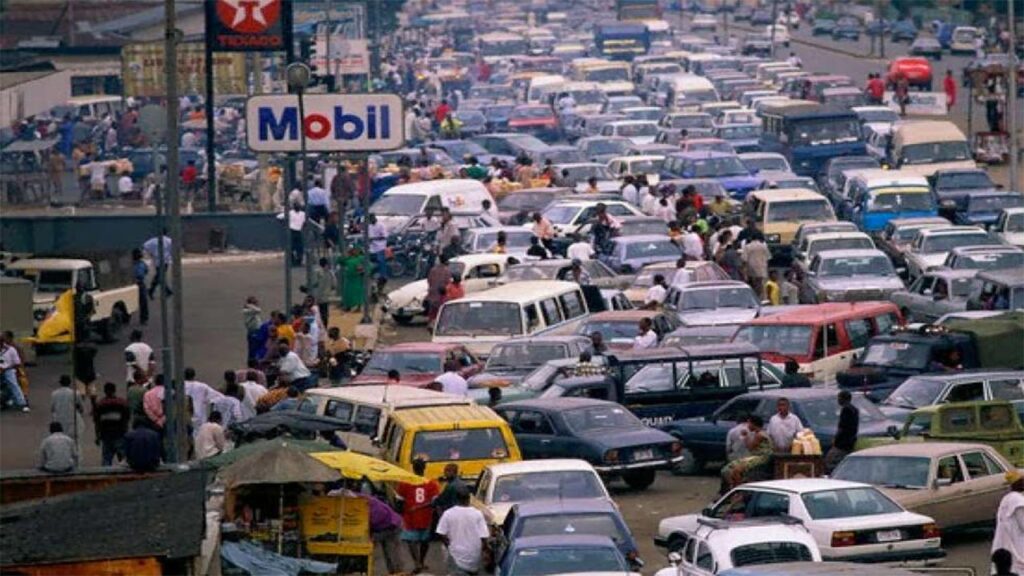
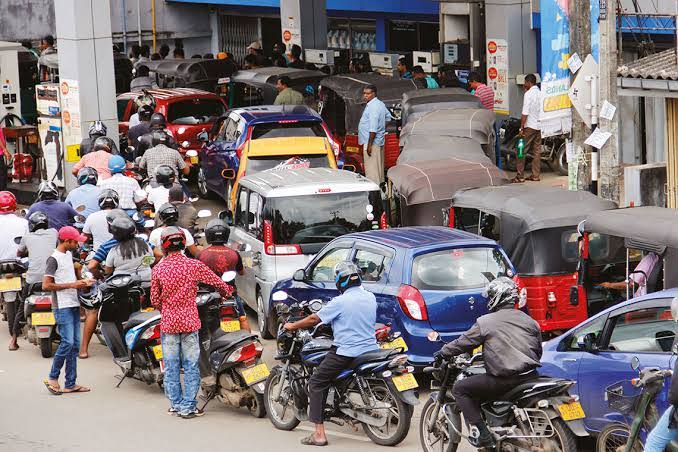
Here is a clear, factual, and persuasive note on the disadvantages of gas-powered cars.
While internal combustion engine (ICE) vehicles have dominated for over a century, the mechanical, financial, and environmental drawbacks are becoming impossible to ignore—especially when compared to modern electric alternatives.
Note: The Hidden Costs of Gas-Powered Vehicles
1. The Financial Drain (Fuel & Maintenance)
Volatile Fuel Costs: Gas prices are subject to global politics, supply chain disruptions, and seasonal spikes. Unlike electricity, which can be generated domestically and priced predictably, filling a tank is a gamble every week. Over a 5-year period, the average driver spends over $10,000 on gasoline alone.
Expensive Moving Parts: A gas engine has hundreds of moving components (valves, pistons, timing belts, transmissions). These parts are prone to wear, friction, and heat damage. Routine maintenance includes oil changes, transmission flushes, spark plug replacements, exhaust system repairs, and belt changes—costing the average driver between $800–$1,500 annually.
2. Inefficient Energy Use
Gas engines are inherently inefficient. Only about 20% to 30% of the energy in gasoline actually moves the car forward; the rest is wasted as heat, noise, and friction. Electric vehicles, by contrast, convert over 77% of their electrical energy into motion. Every time you drive a gas car, you are literally burning money as wasted heat.
3. Environmental and Health Damage
Direct Emissions: Every gallon of gas burned produces about 8.8 kilograms (19.4 pounds) of CO₂. A single gas car emits an average of 4.6 metric tons of carbon dioxide per year. These tailpipe emissions also release nitrogen oxides (NOx) and particulate matter—chemicals directly linked to respiratory illnesses, asthma, and cardiovascular disease in urban populations.
Oil Dependency: Extracting, refining, and transporting gasoline is an environmentally devastating process, involving oil spills, groundwater contamination, and habitat destruction.
4. Poor Driving Experience (Performance & Noise)
Lag and Inertia: Gas engines require time to rev up and shift through gears to reach peak torque. This creates a “lag” between pressing the pedal and actually moving.
Brake Wear: Gas cars rely almost entirely on friction brakes, which wear down quickly and produce toxic brake-dust particulates. They lack regenerative braking, which means you’re constantly losing kinetic energy that could otherwise be recaptured.
Noise Pollution: The constant rumble, vibration, and exhaust drone is not just annoying; it contributes to noise pollution that raises stress levels in city environments.
5. Depreciation and Obsolescence
Gas vehicles are depreciating assets that lose value rapidly, especially as governments impose stricter emissions standards and ban new ICE sales by 2035 in many regions.
Resale Risk: As public charging infrastructure expands and battery technology improves, the demand for used gas cars is plummeting. Buying a new gas car today means buying a technology that is actively being legislated out of existence. You are essentially investing in a dying asset.
6. Inconvenience (More Than Just Pumps)
You don’t just “plug in” a gas car at home. You must detour to a gas station, stand in the elements, inhale toxic fumes, wait for the tank to fill, and go inside to pay.
In winter, gas cars struggle to start in extreme cold. In summer, they overheat. They require time-consuming trips to the mechanic for smog checks, emissions tests, and oil changes—hassles that EV owners rarely experience.
- The Bottom Line:
Gas cars are no longer the default “convenient” choice; they are the outdated choice. They cost more to run, damage your health and the planet, deliver slower performance, and are quickly being rendered obsolete by smarter, cleaner technology. The question isn’t if you should move away from gas—it’s why you would wait any longer to do so.